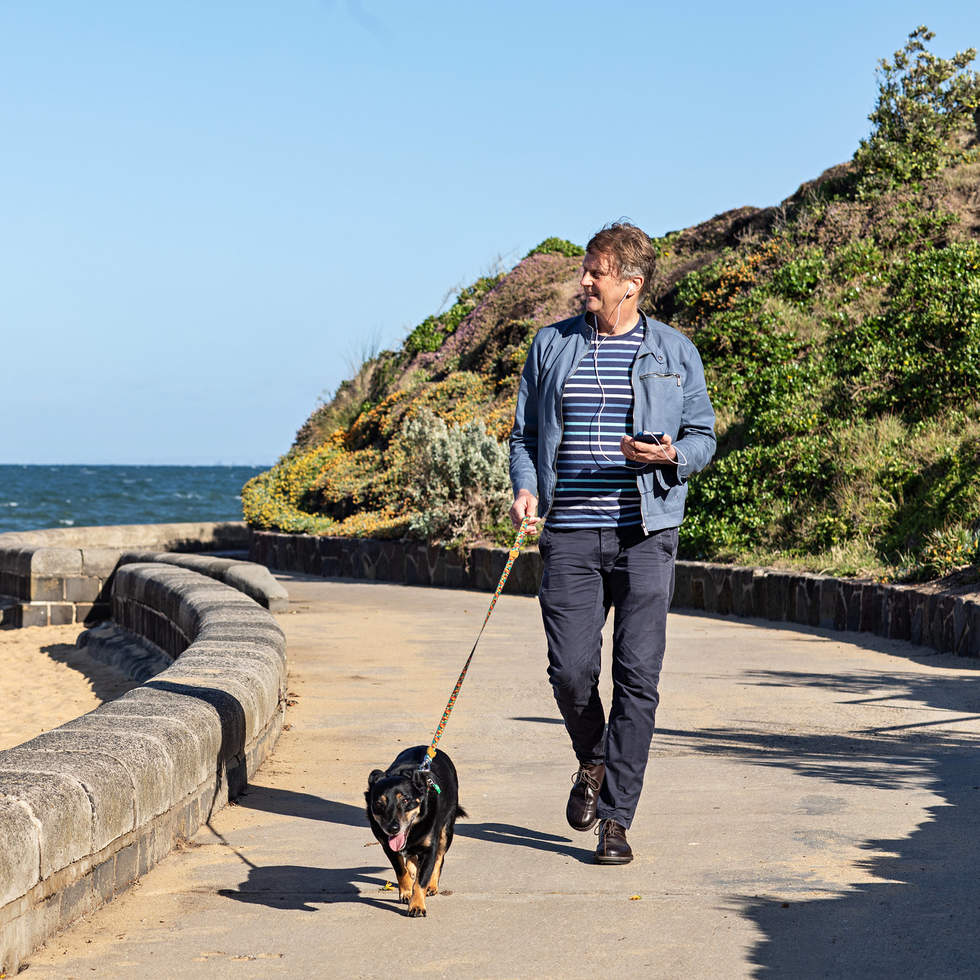







Historical photos of the bluestone seawall

Bluestone Seawall (stories in the stones)

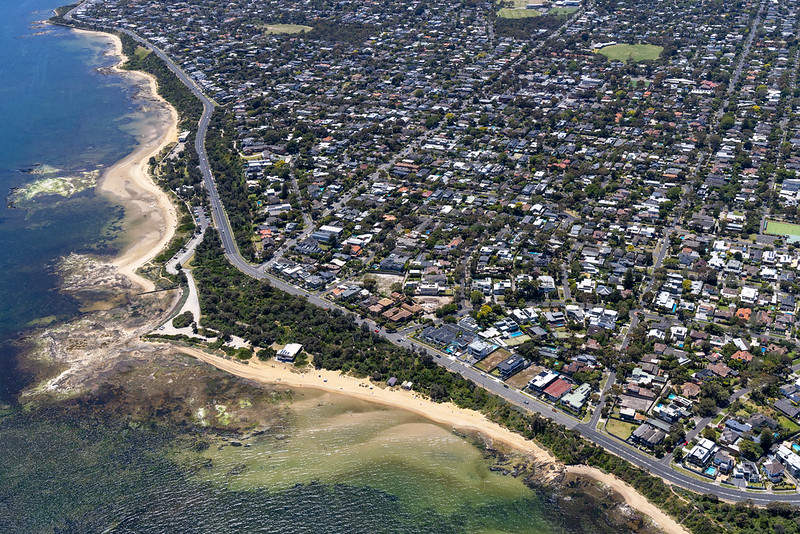
During the Great Depression councils were encouraged to employ local men on relief work. In 1930 Brighton City Council decided on a project to protect Green Point and nearby beaches from erosion by building bluestone walls.

Council employed ‘Sussos’ – as they were generally known – to work on the project. The stones in this and other seawalls on the foreshore were taken from the outer walls of the Old Melbourne Gaol.

Some stones had been inscribed with letters and numbers. When prisoners were executed, they were not given a marked grave or headstone, but were buried inside the gaol walls and a stone was inscribed with their initials and date of death.

It is not known how many of these inscribed stones are in the seawall as the builders did not seem to attach much importance to their placement, and many, including one attributed to Ned Kelly, are thought to be turned inwards or buried forever beneath the shifting sands of the beaches.


Page last updated: 10 Dec 2010